

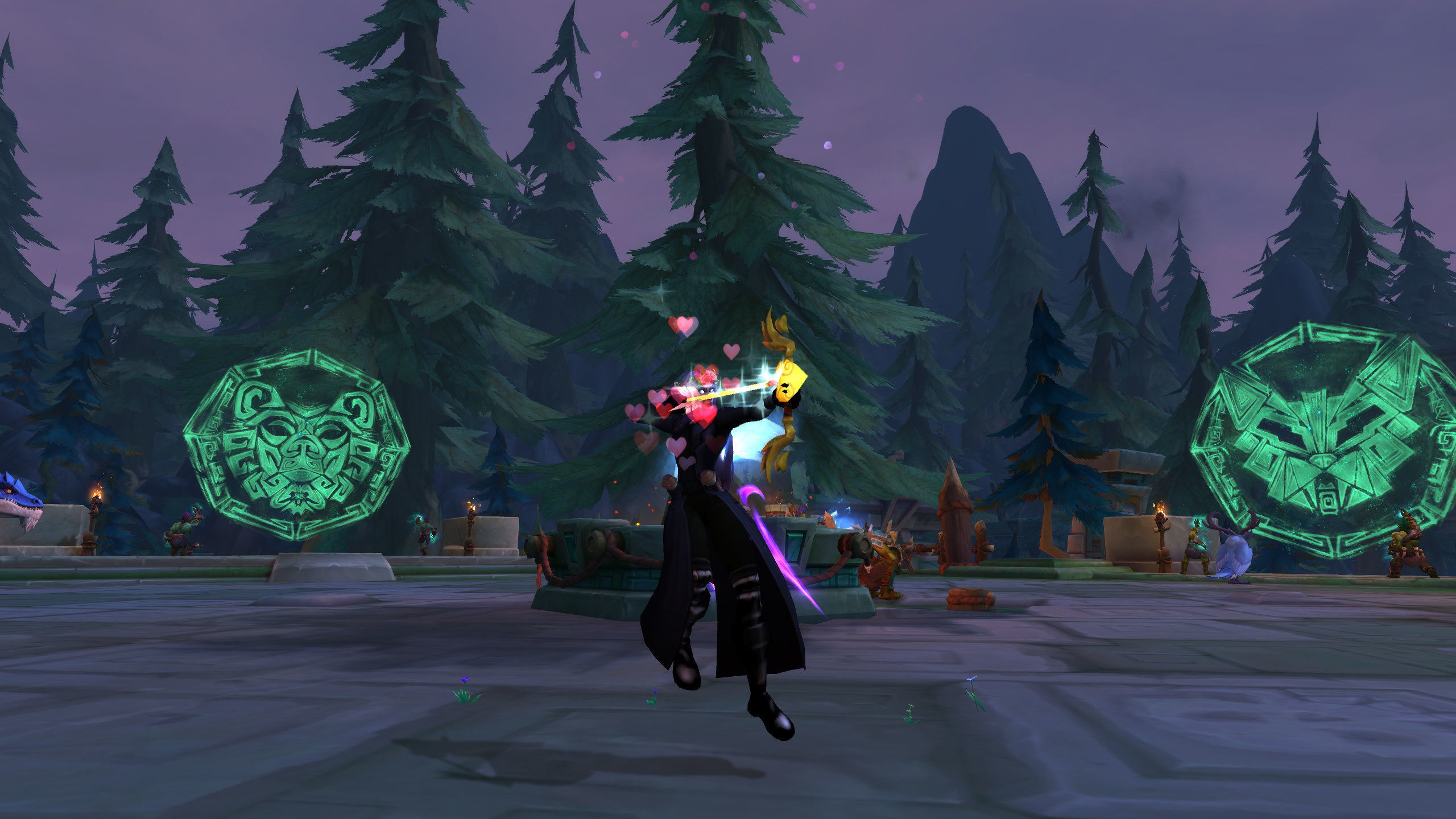
A “content machine” provides tasks, rewards, and loops, but a “living world” provides history, culture, and a sense of independent existence. World of Warcraft manages to bridge this gap by prioritizing world-building alongside gameplay systems. This guide looks at the factors—like environmental detail, lore depth, and the passage of time—that prevent the game from feeling like a purely transactional product, ensuring it retains the soul of a real place.
A World with an Independent Life
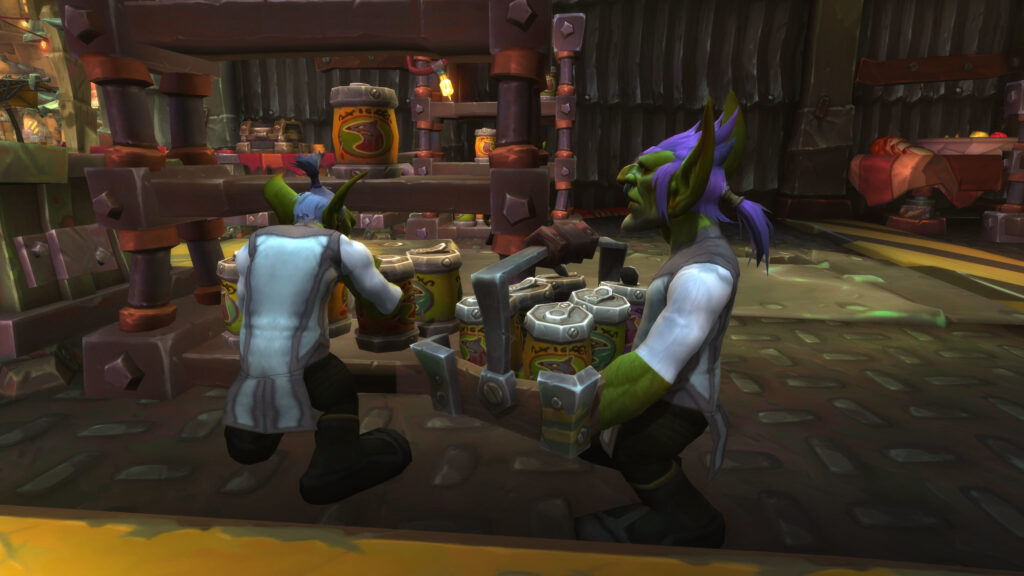
A living world functions even when the player isn’t there. When you walk through a town, you see guards patrolling, shopkeepers talking, and weather patterns shifting. You don’t have to trigger these things; they happen autonomously. This autonomy is crucial. It suggests that Azeroth is a functioning reality, not just a set of triggers designed for the player’s entertainment. The depth of the environmental design—the way a library is filled with thousands of books, or the way a cemetery is filled with names of people who were part of the game’s long history—reinforces this. It tells the player: “I was built with care, and I have a life of my own.”
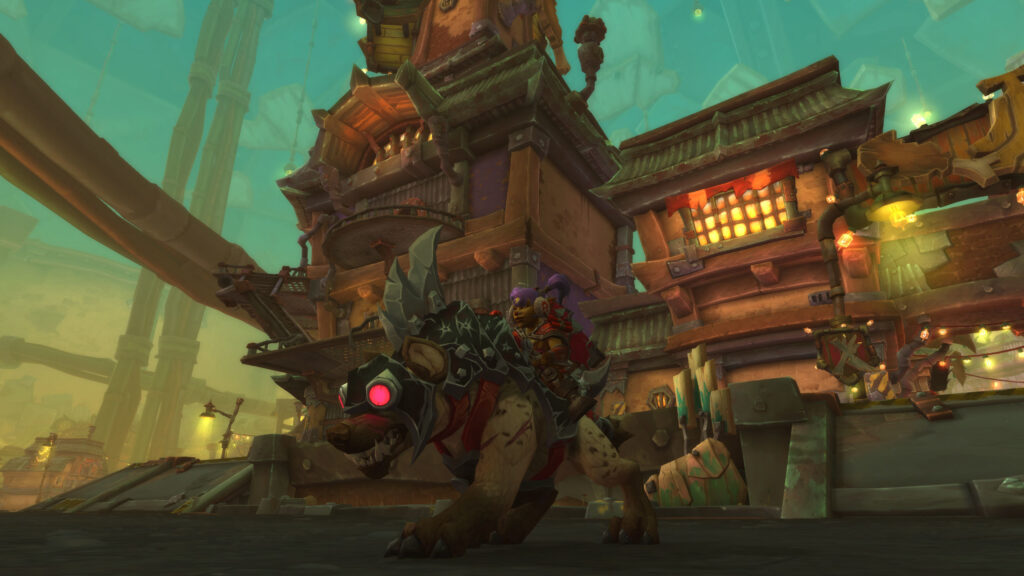
Lore is the second layer. The game is constantly referencing its own history, treating past events as foundational truths. Modern quests don’t ignore the events of 2005; they incorporate them. This creates a sense of “narrative sedimentation,” where the weight of the past sits on the present. It makes the world feel dense. A game that forgets its past feels shallow, but WoW’s dedication to keeping its history alive gives it a gravity that makes the world feel substantial and permanent, regardless of what the latest patch notes say.
Why the World Feels Alive
| Factor | Contribution to the “Living” Feel |
|---|---|
| Autonomous NPCs | World functions without the player’s intervention. |
| Lore Continuity | Events build on each other, not in isolation. |
| Environmental Detail | Buildings and items feel like they have history. |
| Social Life | Player activity creates a culture that exists alongside NPCs. |
Balancing Content and Reality
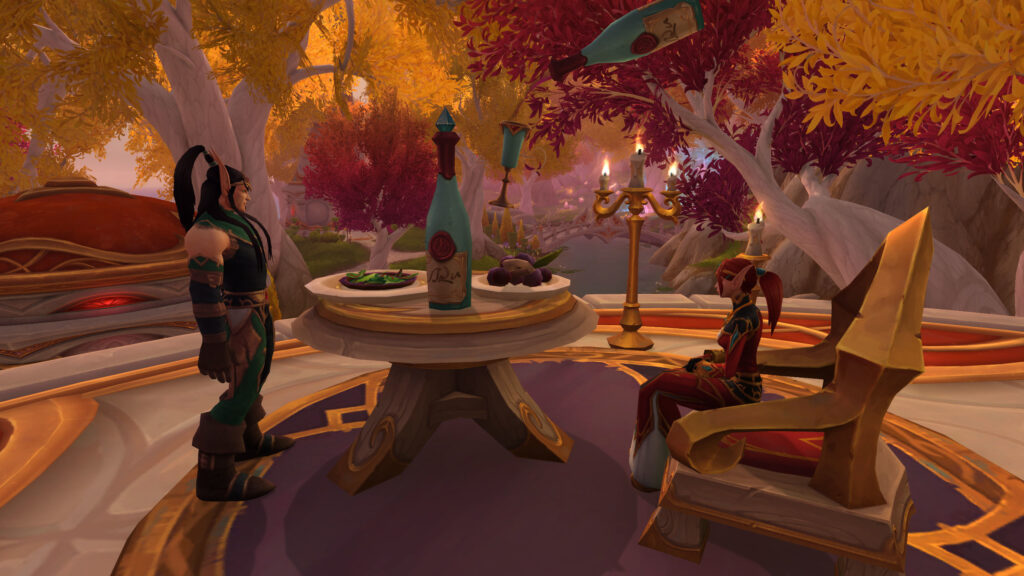
The real trick is ensuring the “content” (raids/quests) doesn’t overshadow the “world.” The game manages this by keeping the questing localized and the environment vast. By ensuring that the world map is always larger than the content being actively played, the developers keep the mystery alive. You always know there is more to see, more history to uncover, and more life happening outside the scope of your current task. This balance is what keeps Azeroth from feeling like a sterile product; it keeps it feeling like a destination.
Leave a Reply