

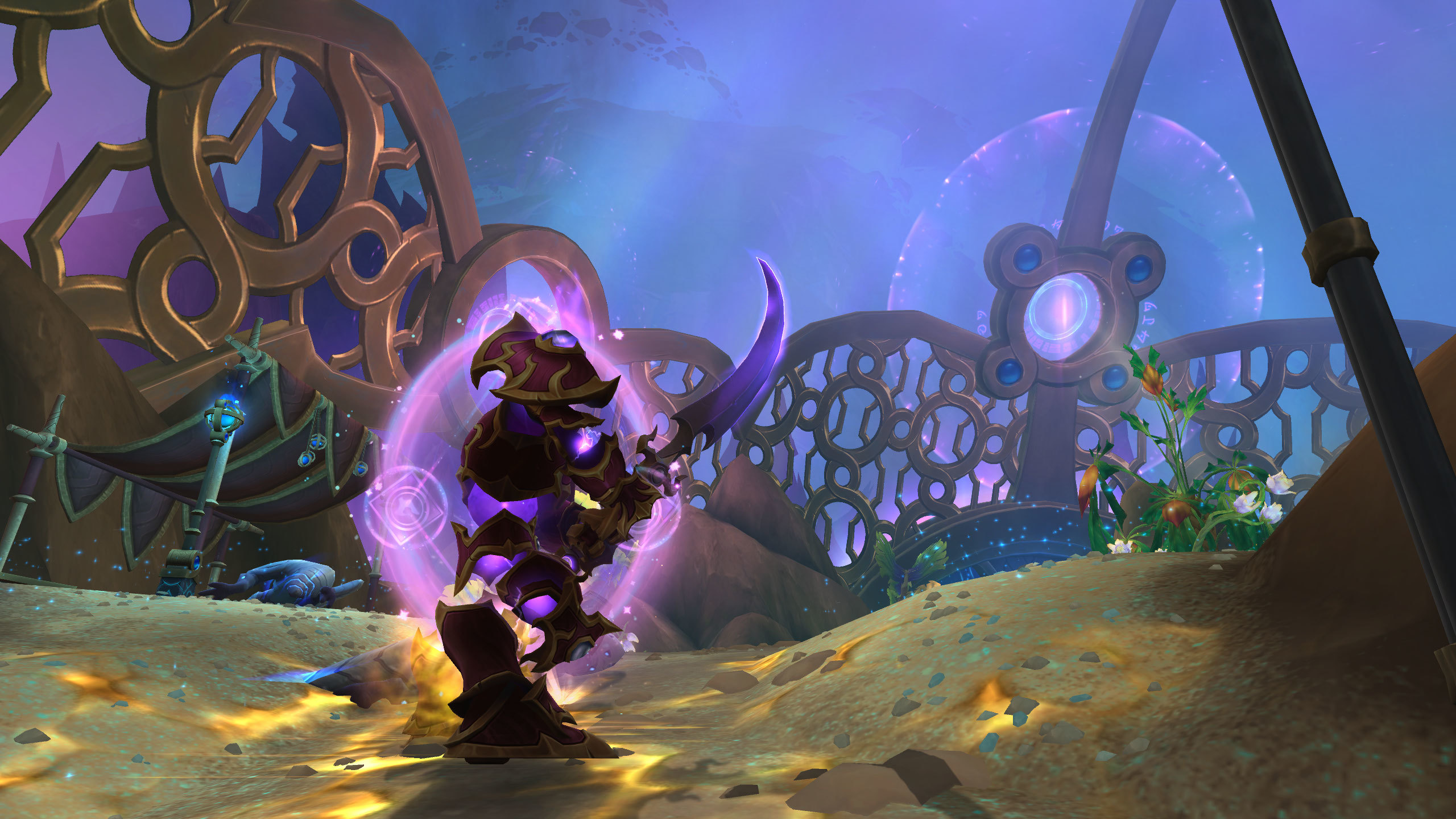
Tank gameplay has moved far beyond simply absorbing damage and holding enemy attention. Modern encounters demand precision, timing, and constant decision-making that balances aggressive play with survival. Tanks are now active leaders who control pacing, positioning, and threat flow while managing their own durability. A single mistake can destabilize the entire group, making tank performance one of the most influential factors in endgame success.
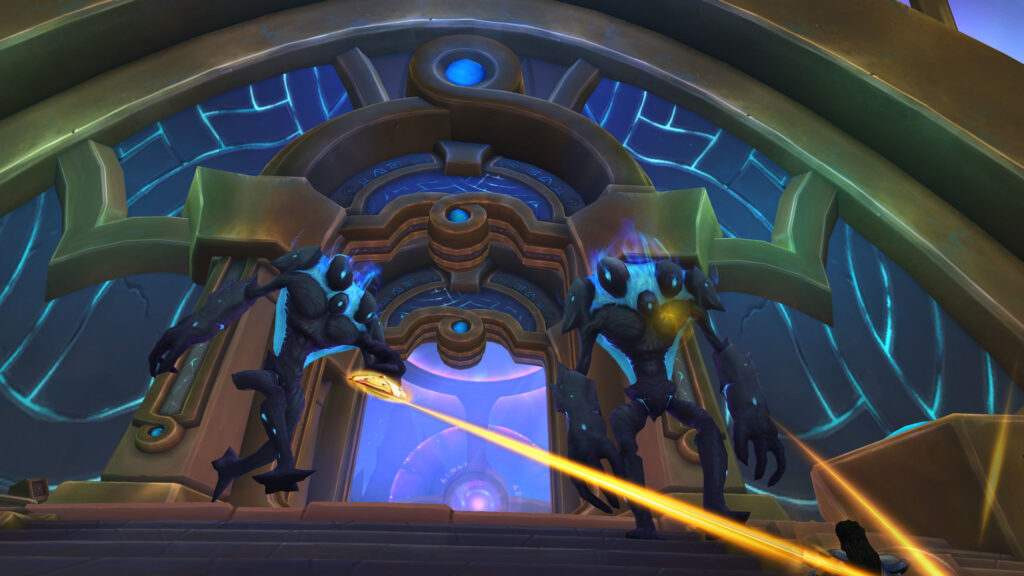
Aggression Becomes a Strategic Tool
Modern tanks are expected to contribute meaningful damage while maintaining control of encounters. Aggressive play is no longer reckless, but calculated. Proper use of offensive abilities helps shorten dangerous phases, reduce healer strain, and keep dungeon or raid tempo high. Tanks choose when to push damage and when to slow down, reading encounter flow rather than following static patterns.
Survival Is Built on Planning, Not Panic
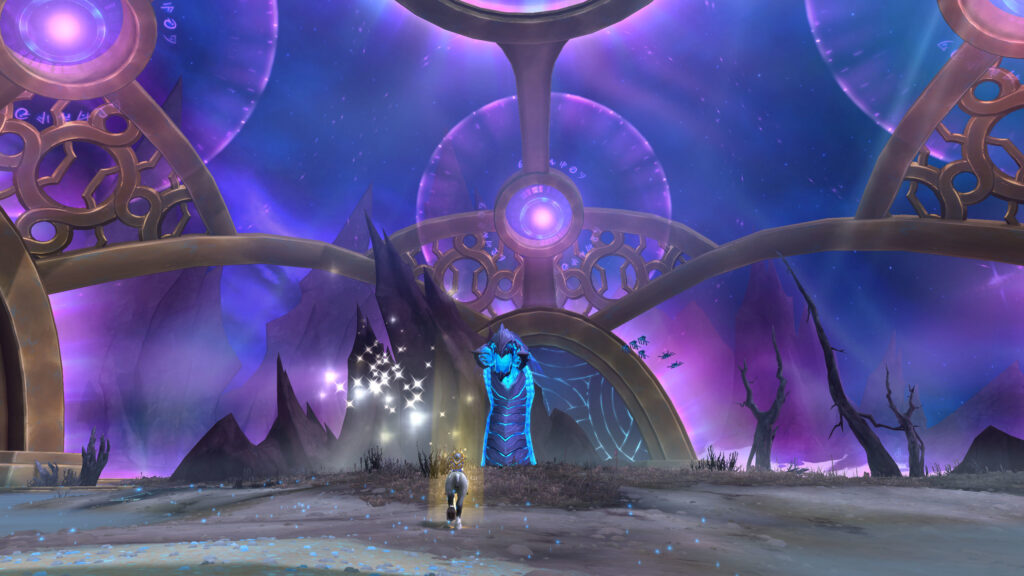
Survivability now depends on planning defensive usage ahead of time. Tanks rotate mitigation abilities proactively to smooth incoming damage rather than reacting after health drops. This approach creates stability for healers and prevents sudden spikes that lead to wipes. Knowing when major hits are coming allows tanks to stay calm and controlled under pressure.
Positioning and Pull Control Define Difficulty
Tanks shape every encounter through movement and positioning. Poor positioning can amplify enemy damage, disrupt group abilities, or create line-of-sight issues for healers. Skilled tanks manage enemy facing, spacing, and pull size carefully, adjusting on the fly when conditions change. Precision movement often matters more than raw defensive stats.
| Tank Decision | Risk | Required Skill |
|---|---|---|
| Large pulls | Damage spikes | Cooldown planning |
| Aggressive uptime | Overextension | Threat awareness |
| Repositioning | Group disruption | Spatial control |
| Defensive overlap | Cooldown waste | Timing discipline |
Tanks as Encounter Leaders
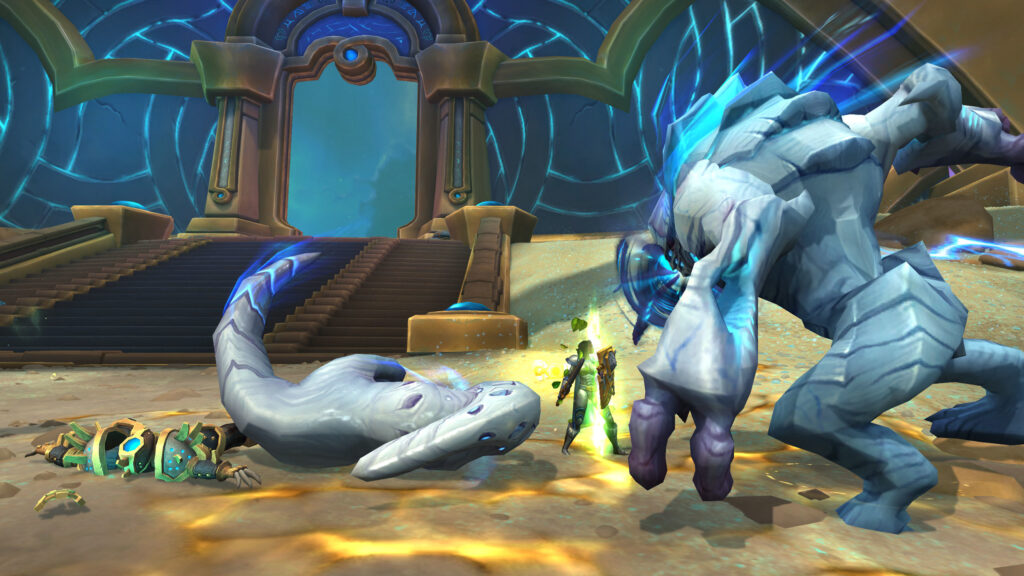
Tanks naturally assume leadership roles due to their control over pacing and pulls. Clear signaling, consistent movement, and confident decision-making keep groups focused and calm. When tanks lead decisively, the entire group performs more smoothly.
Conclusion
Tank gameplay has evolved into a precision role that balances aggression and survival. Success depends on planning, positioning, and controlled decision-making rather than raw toughness alone. Tanks who master this balance become the foundation of every successful endgame group.
Leave a Reply